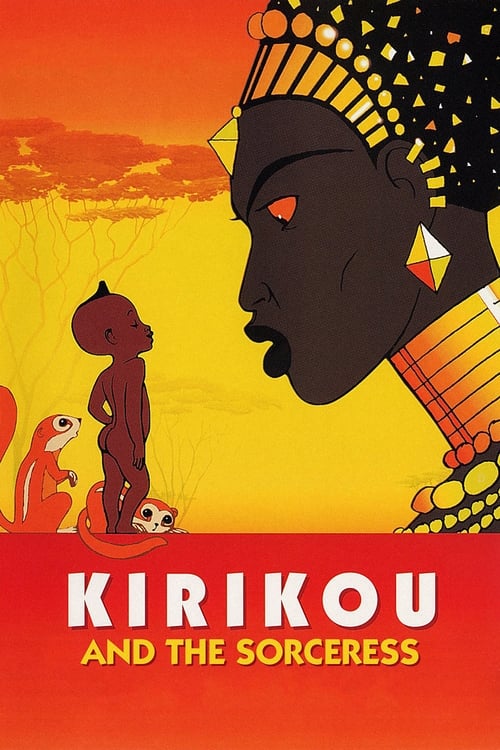
1998Nominee
Best Performance
Kirikou and the Sorceress
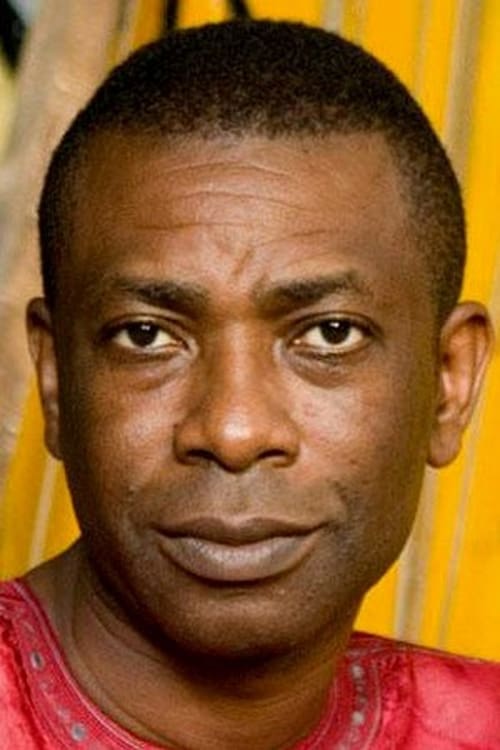
Actor
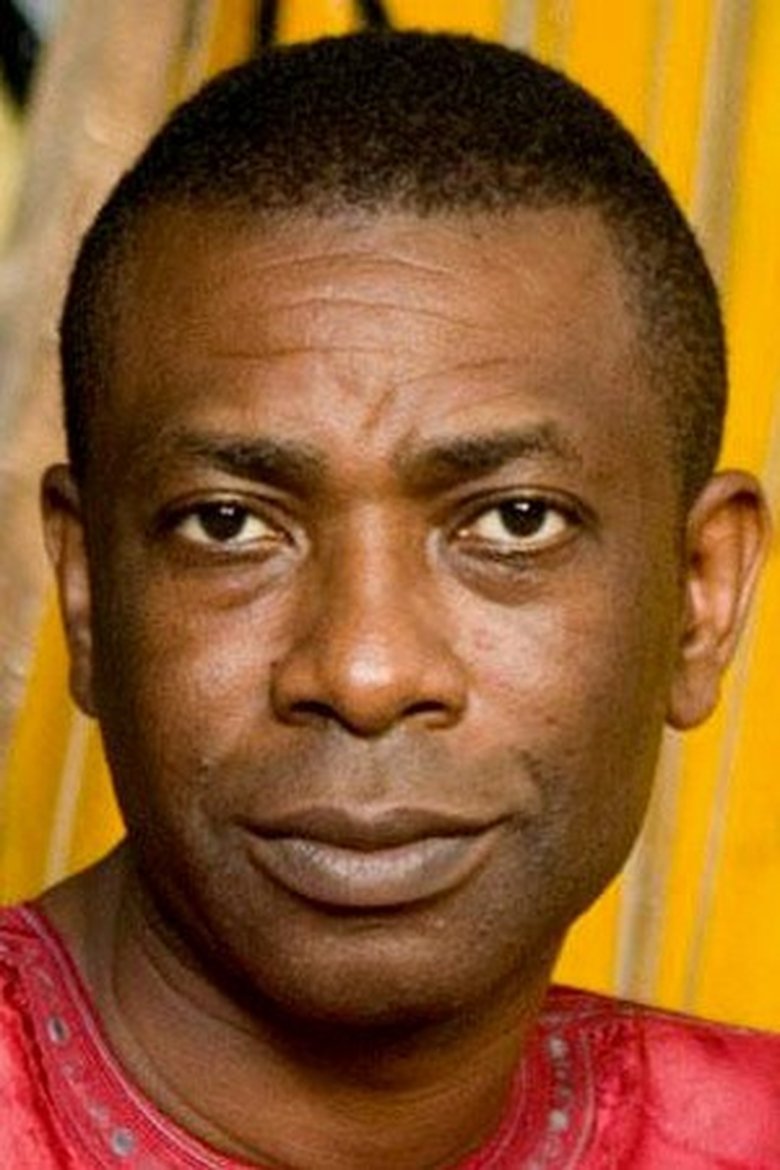
Youssou N'Dour (also known as Youssou Madjiguène Ndour; born 1 October 1959) is a Senegalese singer, songwriter, musician, composer, occasional actor, businessman, and politician. In 2004, Rolling Stone described him as, "perhaps the most famous singer alive" in Senegal and much of Africa and in 2023, the same publication ranked him at number 69 on its list of the 200 Greatest Singers of All Time. From April 2012 to September 2013, he was Senegal's Minister of Tourism. N'Dour helped develop a style of popular Senegalese music known by all Senegambians (including the Wolof) as mbalax, a genre that has sacred origins in the Serer music njuup tradition and ndut initiation ceremonies. He is the subject of the award-winning films Return to Gorée (2007) directed by Pierre-Yves Borgeaud and Youssou N'Dour: I Bring What I Love (2008) directed by Elizabeth Chai Vasarhelyi, which were released around the world. In 2006, N'Dour was cast as Olaudah Equiano in the film Amazing Grace. Ethnically, N'Dour is Serer, born to a Serer father and a Toucouleur mother. However, culturally, N'Dour is Wolof. He was born in Dakar. He started performing at age 12 and would later perform regularly with the Star Band, Dakar's most popular group during the 1970s. Despite N'Dour's maternal connection to the traditional griot caste, he was not raised in that tradition, which he learned instead from his sibling. Although patrilineally from the noble N'Dour family, his parents' world-view encouraged a modern outlook, leaving him open to two cultures and thereby inspiring N'Dour's identity as a modern griot. As a Mouride disciple, taalibé in Wolof, a Muslim of the Mouride brotherhood, one of the large four Sufi orders in Senegambia, he often incorporated aspects of Islamic music and chants into his work. At the age of 15, Youssou N'Dour joined Super Diamono and, in 1975, toured with the band in West Africa. In 1976 when N'Dour was 16 years old, he signed a contract to sing with Ibra Kasse's Star Band at Kasse's Miami club in Dakar where he would become a sensation. In 1978, N'Dour would follow as several members of the Star Band left to form Étoile de Dakar, a band that made important contributions to Senegal's newly evolving musical style called mbalax which incorporated traditional Senegalese music into the Latin styles that had dominated Senegalese popular music. Although they quickly became one of the city's most popular bands, the group was short-lived due to internal problems. Étoile de Dakar split into two groups: Étoile 2000 and Super Étoile de Dakar. The latter group included N'Dour, guitarist Jimi Mbaye, bassist Habib Faye, and tama (talking drum) player Assane Thiam. Super Étoile de Dakar produced four albums on cassette in just a few months and eventually evolved into N'Dour's backing band. By 1991, he had opened his own recording studio, and, by 1995, his own record label, Jololi. ... Source: Article "Youssou N'Dour" from Wikipedia in English, licensed under CC-BY-SA 3.0.




Best Performance
Kirikou and the Sorceress
Best Performance
Picc Mi
Best Performance
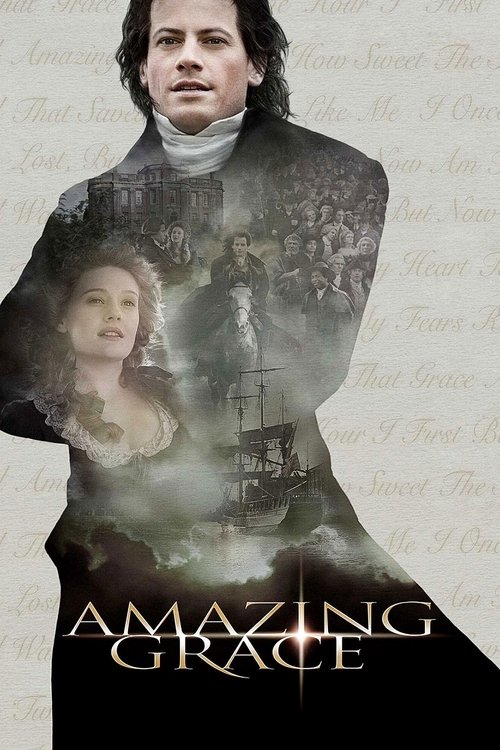
Amazing Grace
Best Performance
Xala
Best Performance
The Children's Republic