1971Nominee
Best Performance
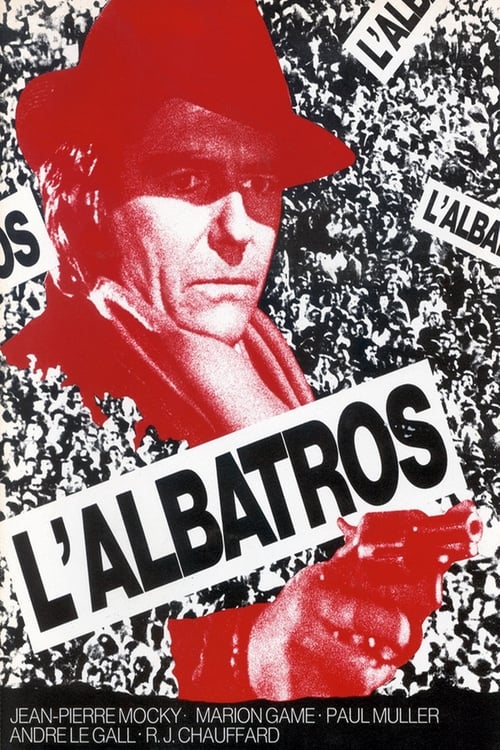
The Albatross
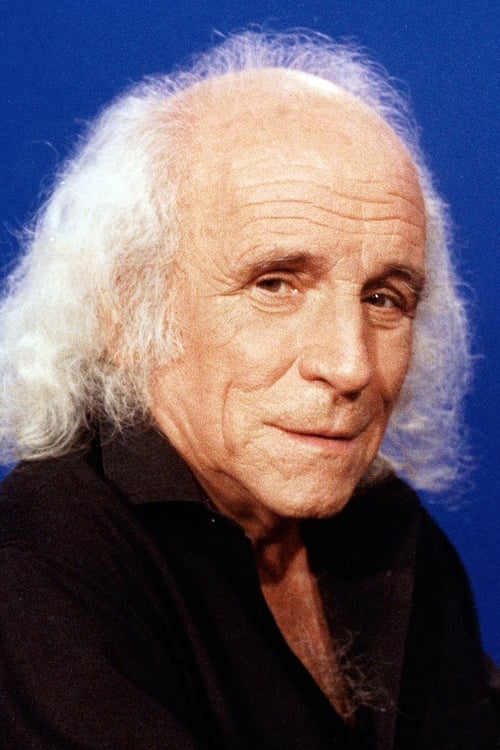
Actor · Writer
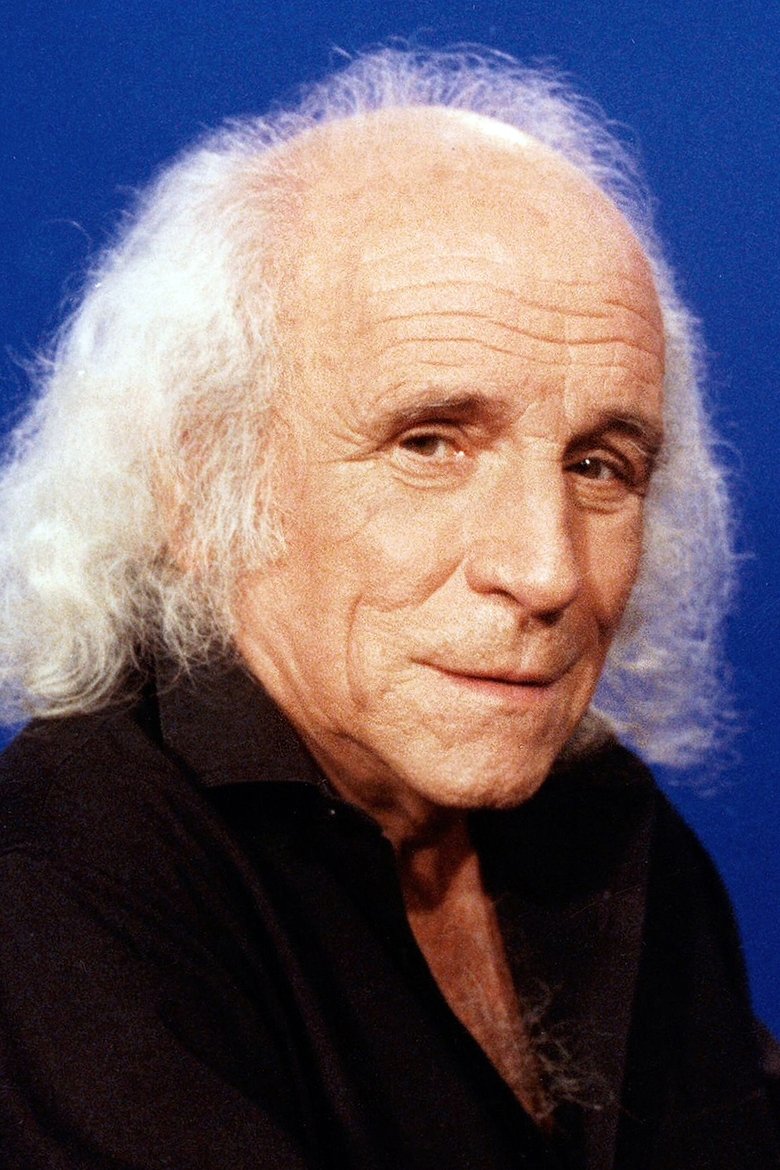
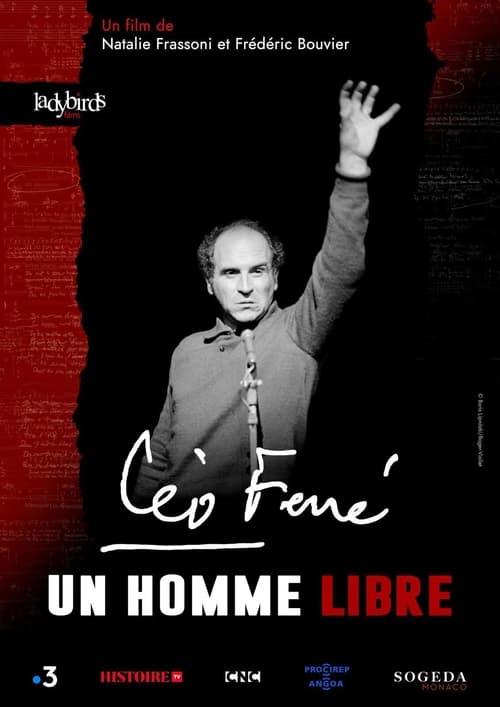
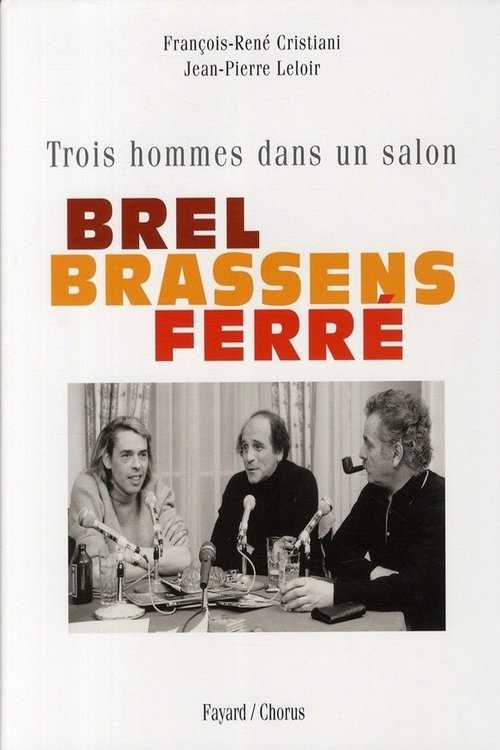
Léo Ferré (24 August 1916 – 14 July 1993) was a French-born Monégasque poet and composer, and a dynamic and controversial live performer, whose career in France dominated the years after the Second World War until his death. He released some forty albums over this period, composing the music and the majority of the lyrics. He released many hit singles, particularly between 1960 and the mid-seventies. Some of his songs have become classics of the French chanson repertoire, including "Avec le temps", "C'est extra", "Jolie Môme" and "Paris canaille". Son of Joseph Ferré, French staff manager at Monte-Carlo Casino, and Marie Scotto, a Monégasque dressmaker of Italian descent from Piedmont, he had a sister, Lucienne, two years older. Léo Ferré had an early interest in music. At the age of seven, he joined the choir of the Monaco Cathedral and discovered polyphony through singing pieces by Giovanni Pierluigi da Palestrina and Tomás Luis de Victoria. His uncle, former violinist and secretary at the Casino, used to bring him to performances and rehearsals at the Monte Carlo Opera. Ferré listened to such musicians as bass singer Feodor Chaliapin, discovered Beethoven under the baton of Arturo Toscanini (Coriolanus), was deeply moved by the Fifth Symphony. But it is the sweet presence of composer Maurice Ravel during L'Enfant et les Sortilèges rehearsals that impressed him the most. At nine years of age he entered Saint-Charles College of Bordighera, run by the Brothers of the Christian Schools in Italy. He remained there for eight long years of severe discipline and boredom. He wrote about this lonely and caged childhood in an autofiction (Benoît Misère, 1970). He graduated from high school at Monaco, but his father did not let him attend the Conservatory of Music. In 1945, while still a "farmer" and a Jack-of-all-trades at Radio Monte-Carlo, Ferré met Edith Piaf, who encouraged him to try his luck in Paris. In April 1947, Ferré agreed to tour in Martinique, which turned out to be disastrous. From the end of 1947 Ferré produced and hosted on Paris Inter station several cycles of programs devoted to classical music. In Musique Byzantine (1953–54), he expanded his topics on aesthetics, such as tonality necessity, exotic melody, opera (the "song of rich people"), boredom, and originality or "marshmallow music". In 1952, to submit Verdi examination at La Scala in Milan, he wrote the libretto and music of an opera called La Vie d'artiste (same title as the song). It transposed his past years' experience into a kind of a black comedy but Ferré did not seem to like it much, finally abandoning it for other projects. He began to sing in larger venues such as l'Olympia, as the opening act of Josephine Baker in 1954. In 1956, Ferré wrote and composed La Nuit (The Night), a ballet with sung sections commissioned by choreographer Roland Petit. It was a violent flop. ... Source: Article "Léo Ferré" from Wikipedia in English, licensed under CC-BY-SA 3.0.



Best Performance
The Albatross
Best Performance
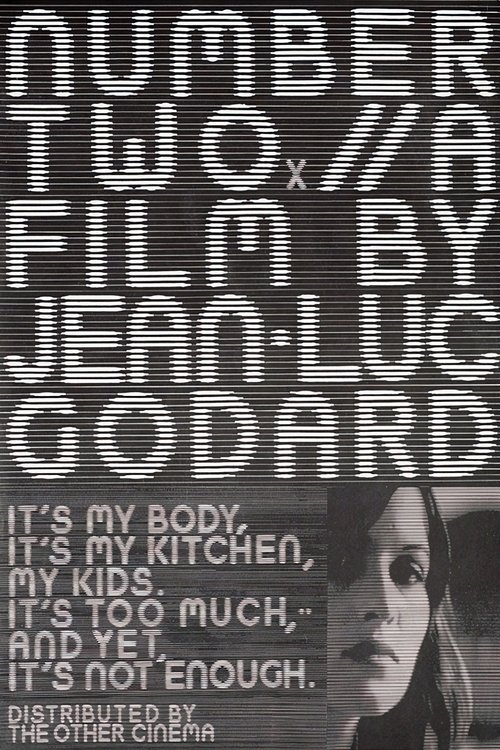
Number Two
Best Performance
L'affaire Matzneff
Best Performance
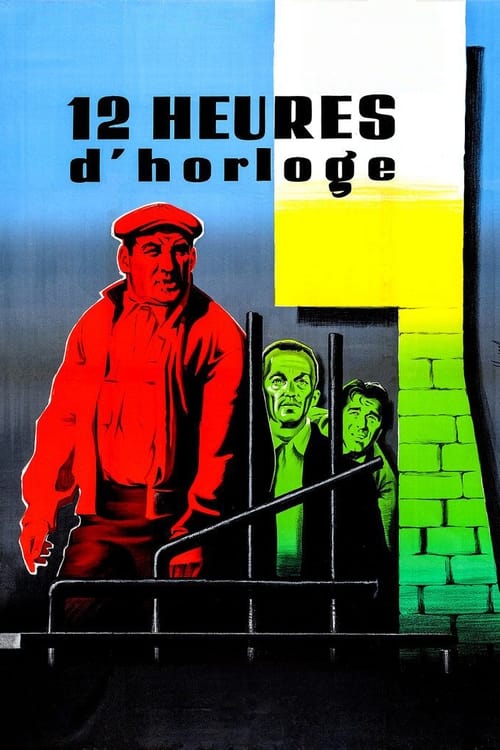
Twelve Hours by the Clock
Best Performance
Cage of Gold