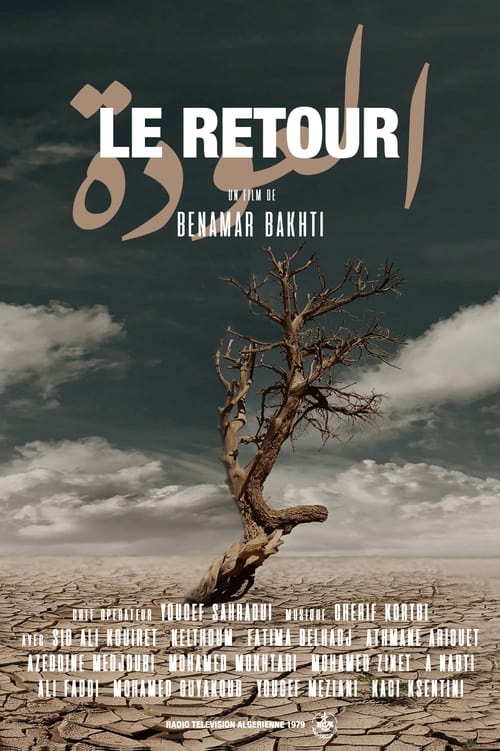
1979Winner
Best Performance
Le Retour
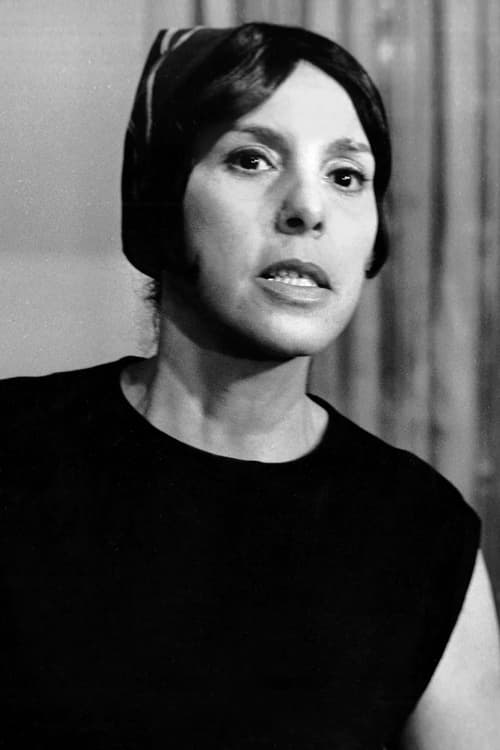
Actor
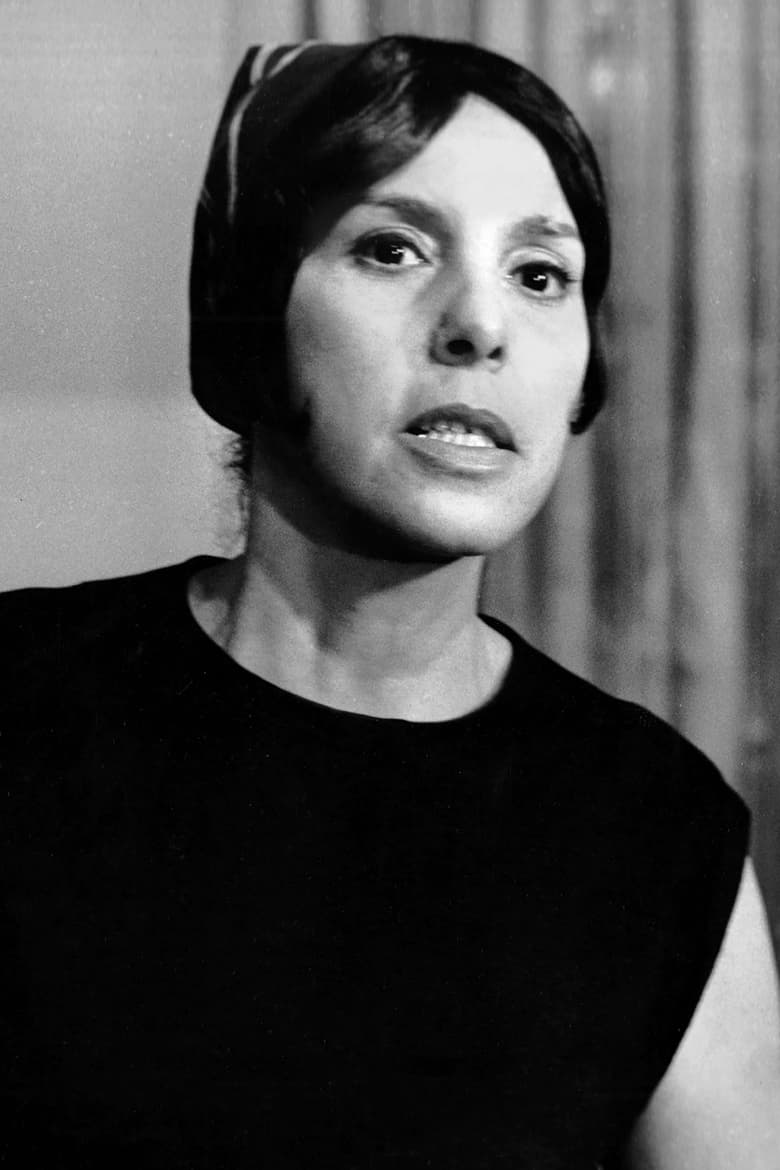
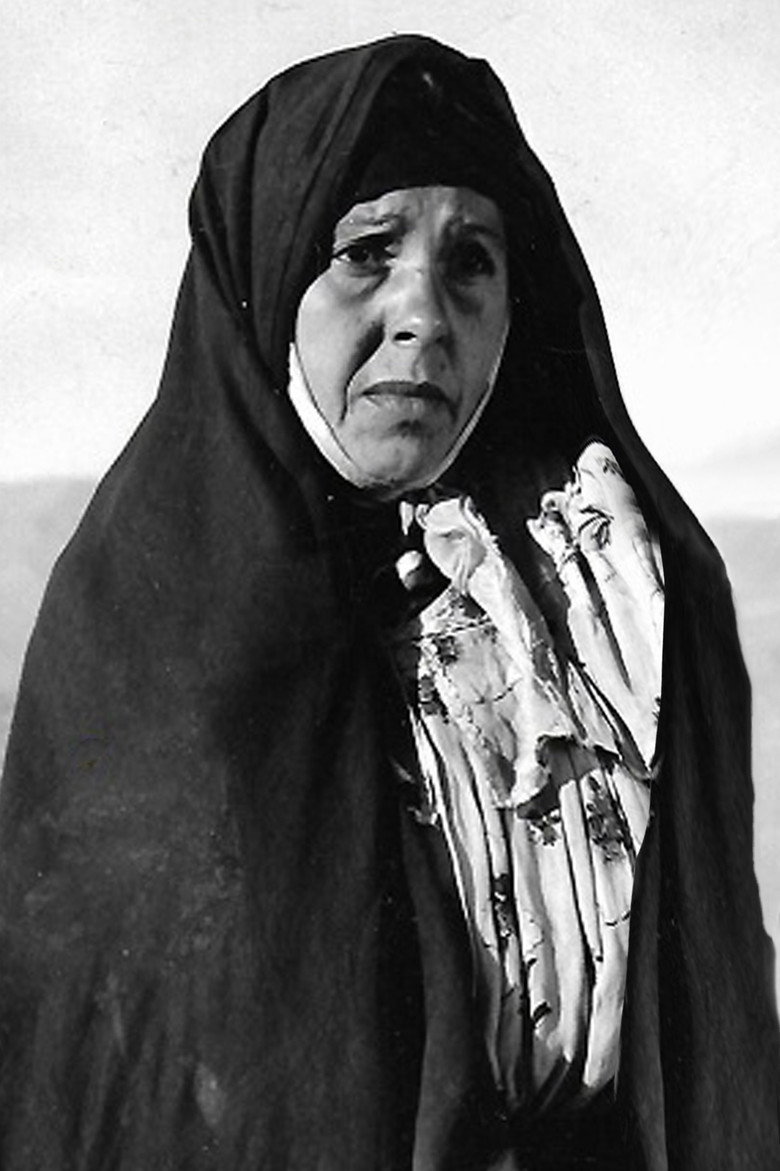
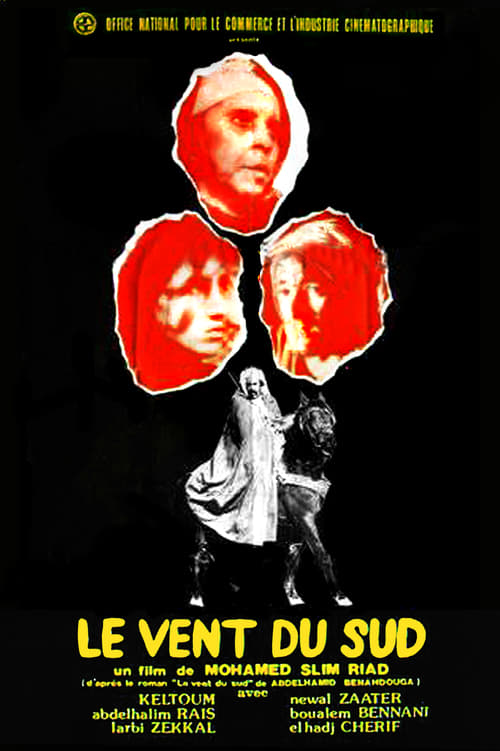
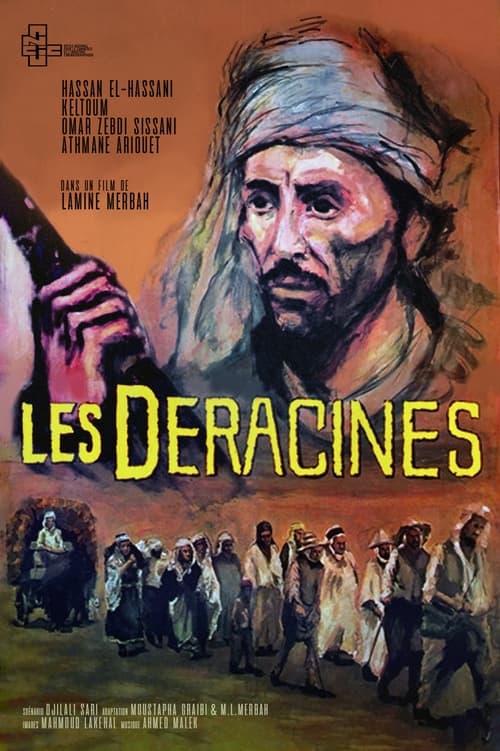
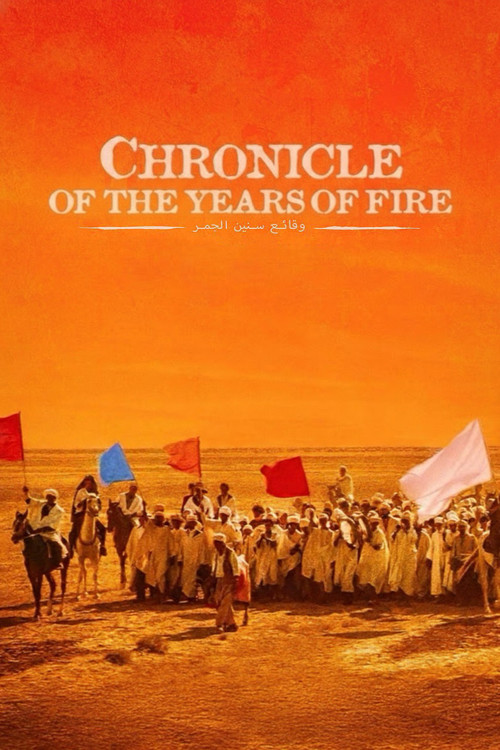
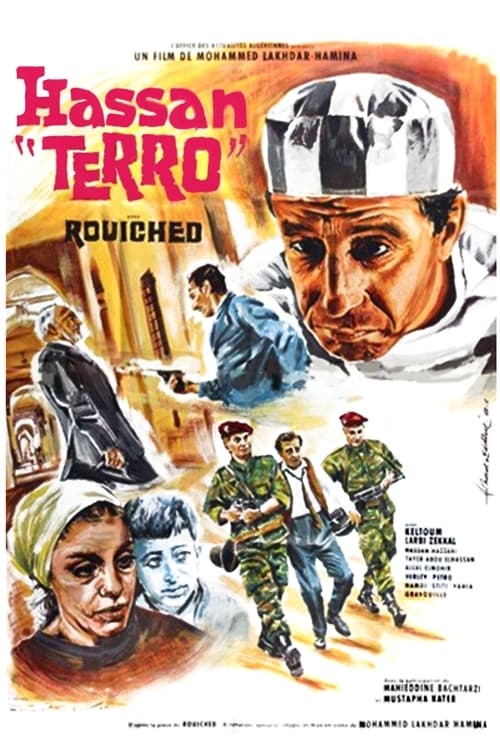
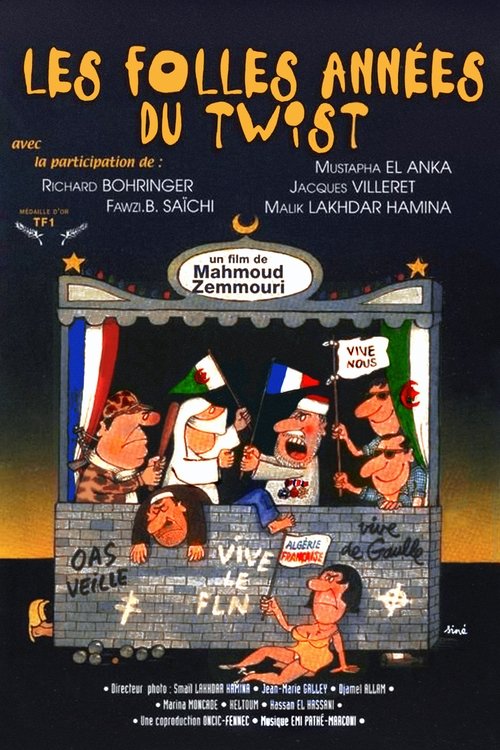
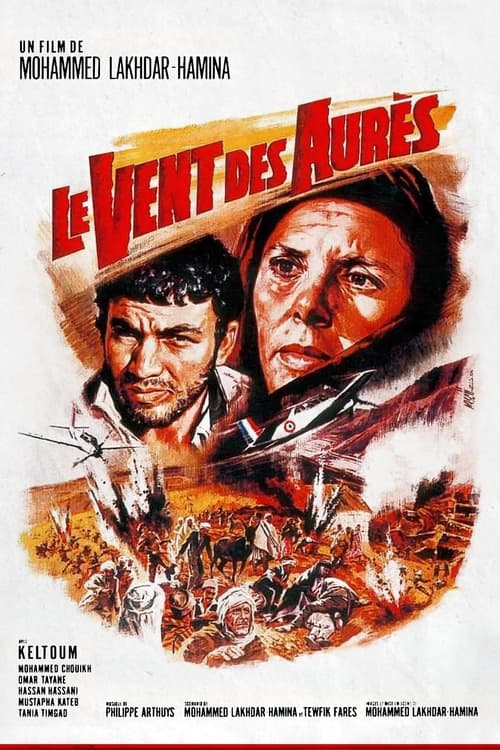
Keltoum, whose real name is Aïcha Adjouri, is an Algerian actress, born February 4, 1916 in Blida, and died November 11, 2010 in Algiers. Figure and dean of Algerian theater and cinema, Keltoum crosses paths with Mahieddine Bachtarzi who recruits her for a small role as a dancer in an operetta. In 1937, she co-starred with Rachid Ksentini in Marriage by Telephone and appeared in most of the shows on the famous "Mahieddine tours" in Algeria, North Africa and Europe. It also happened that the rigors of the colonial law of the time came to sanction the actress. In its edition of March 21, 1950, the daily newspaper Algiers Republican reports a fine of 50,000 francs imposed on Mahieddine by the municipality, the layoff for a month of the actress Keltoum and the ban on performing on the stage. of the Opera made to the Tunisian singer Ali Riahi, on the grounds that the piece El-Ouadjib and the songs during the performance included passages deemed "seditious". (Memoirs of M. Bachetarzi) Member of the Arab troupe of the Opera of Algiers when it was created in 1947 under the direction of Bachtarzi, alongside many stars including Mohammed Touri, Djelloul Bachdjerrah, Réda Falaki and Mustapha Kateb, she interrupted her activities in 1956 with the independance War. She is back on stage with the creation, in 1963, of the National Theater in the company of Mustapha Kateb, Mohamed Boudia, Abderrahmane Kaki, Allel el-Mouhib and Abdelkader Alloula. Until the turn of 1990, she will have played in several dozen plays. After Mort d'un commercial voyageur by Arthur Miller by Fouzia Aït El-Hadj (1987), followed by La Maison de Bernarda Alba by Federico Garcia Lorca, staged by Allel el-Mouhib, his last appearance dates back to 1991 , with the cover of El Bouaboune (Les Concierges) by Rouiched. At the cinema, she appeared in La Septième Porte by French filmmaker André Swobada with, in the main roles of Leila and Ali, on the one hand, Maria Casarès and Georges Marchal for the French version and, on the other hand, Keltoum and Bechir Gabsi for the Arabic version. She will shine especially in a magnificent silent and stripped interpretation of mother courage in the Vent des Aurès by Mohamed Lakhdar-Hamina in 1966. Asked about his meeting with the actress, Mohamed Lakhdar-Hamina confided that it was on the recommendation of André Swobada whom he met and chose Keltoum for the Vent des Aurès. She will play again in Hassan Terro (1968), December (1972) and Chronicle of the Brazen Years (1974) by the same director, then in Les Déracinés (Beni Hendel) by Lamine Merbah (1976), Le Vent du sud (Rih el- djanoub, 1975) and Hassan Taxi (1982) by Mohamed Slim Riad, The Roaring Years of the Twist by Mahmoud Zemmouri (1986) or even Hassan Niya by Ghaouti Bendedouche (1989). A figure of theater and cinema in Algeria, Keltoum was given a tribute in March 2010 at the initiative of the association of filmmakers Lumières. Ill, she could not be present at the ceremony. Keltoum was buried in the cemetery of El Alia.

Best Performance
Le Retour
Best Performance
Wind from the South
Best Performance
The Uprooted
Best Performance
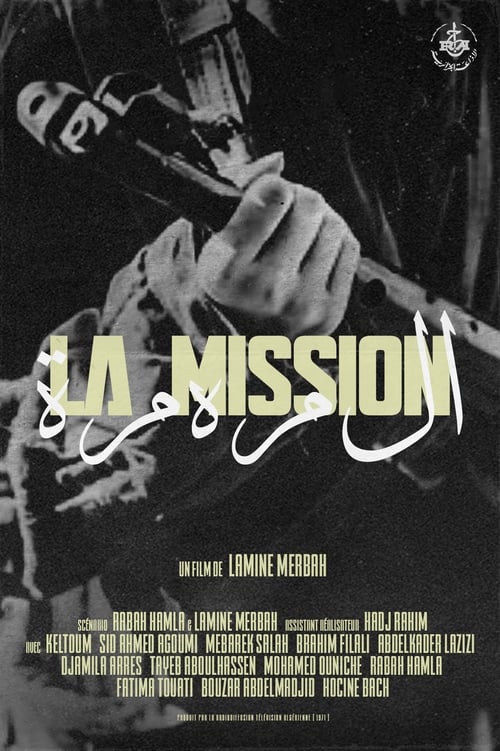
La Mission
Best Performance
Chronicle of the Years of Fire