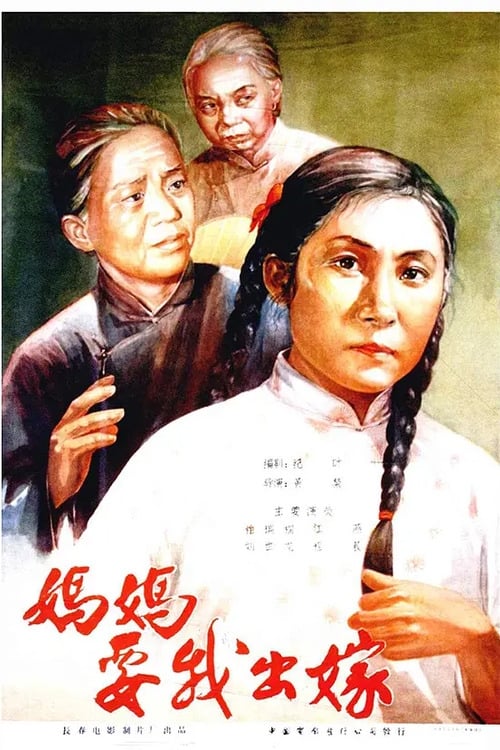
1956Nominee
Best Director
Mother Wants Me To Be Married

Director
Chinese film director and screenwriter Yan Huang (1911-1994) In 1926, 15-year teen Yan take part in the Hunan Peasant Movement and served as the propaganda officer of the Provincial Farmers Association and the chairman of the Provincial Rural Children's League. Participated in the Autumn Harvest Uprising in 1927 and went to Shanghai to do underground work for the Communist Youth League. In 1929 he entered the Music Department of Shanghai Academy of Fine Arts. He joined Xinhua University of the Arts the following year, and also participated in the Nanguo News Agency and the left-wing drama movement, and adapted and directed the play "Maliu Tega". In 1931, he returned to Hunan and served as a middle school teacher. After 1932, he initiated the organization of a large-scale academic research society. In 1936, he went to Hangzhou to set up a children's theater, created a children's play "Children without Mothers", and participated in the organization of Zhejiang Mobile Theater. In 1938, he participated in the Youth Battlefield Service Team in the Fifth Theater of Dabie Mountain and served as an art instructor. In 1939, he participated in the New Fourth Army and served as the artistic director of the Anti-enemy Drama Troupe of the Jiangbei headquarters of the New Fourth Army. In 1941, he served as the head of the literature and art section of the Political Promotion Department of the Second Division of the New Fourth Army. In 1942, he served as the head of the Second Division of the Cultural Regiment. In 1945 he was re-designated as the head of the Military Art Corps. During the War of Resistance Against Japan, he wrote plays "Sisters of Righteousness", "Nanjing Dream", "Empty Room", "Broken Body", "Fisher Girl", and opera "Gaojiazhuang". Director of the opera "White Haired Girl", "Rural Music", drama "Lee Chuang", "The Last Order", "Don't Kill Him", etc. During the Liberation War, he served as the head of the Cultural Regiment of the Political Department of the East China Field Army, and wrote plays "Zaozhuang Battle" and "On the Canal Bridge". At the end of 1948, he was transferred to the Beiping Military Management Committee and served as the chief of the secretariat of the Culture and Education Committee. In May 1949, he was transferred to the Nanjing Military Management Committee as the director of the arts and culture committee of the Culture and Education Committee. After the founding of the People's Republic of China, he was transferred to the director of the Film Bureau of the Ministry of Culture. Soon he was engaged in film director work and served as an assistant director of "Long Xu Gou" and other films. In 1955, he was the director of the long shadow, and successively directed the feature films "Tiger Hole Tracking", "Mom Wants Me to Get Married", "Blue Cloud Song", adapted and directed "The Son of the Militia", wrote and directed "Shen Yangshou", and cooperated with Zhang Qi. He resigned in 1983.
Best Director
Mother Wants Me To Be Married
Best Director
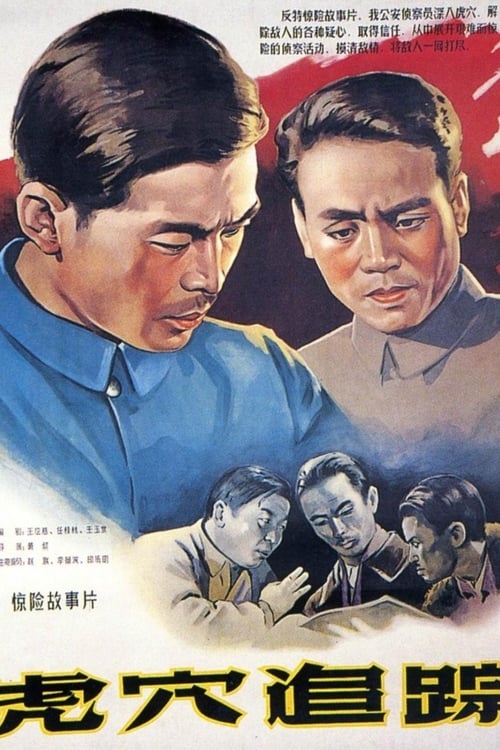
Tiger's Den Tracking
Best Director
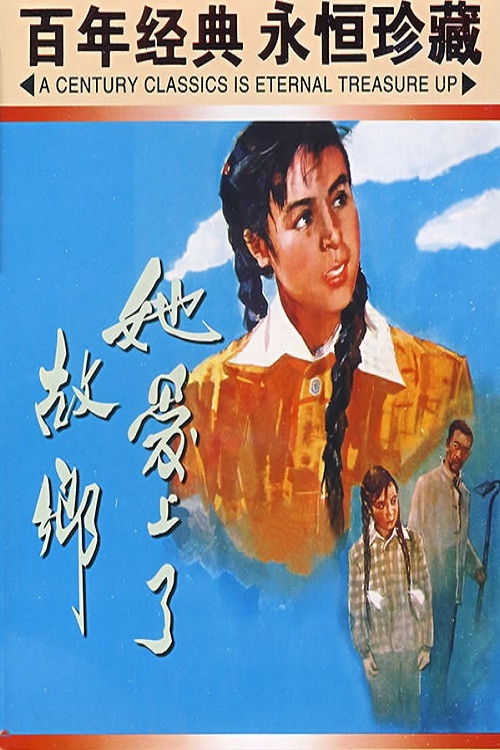
她爱上了故乡
Best Director
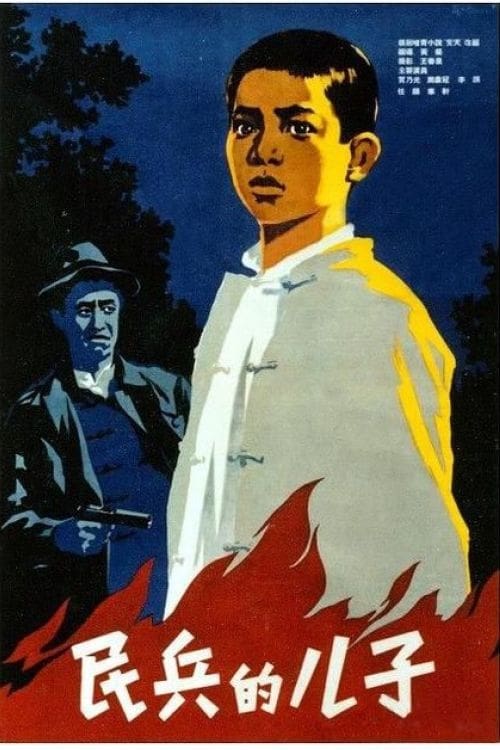
Son of the Militia
Best Director
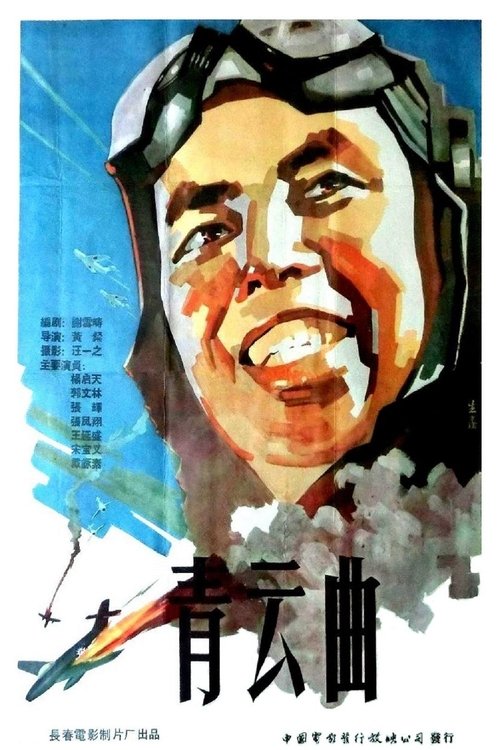
青云曲